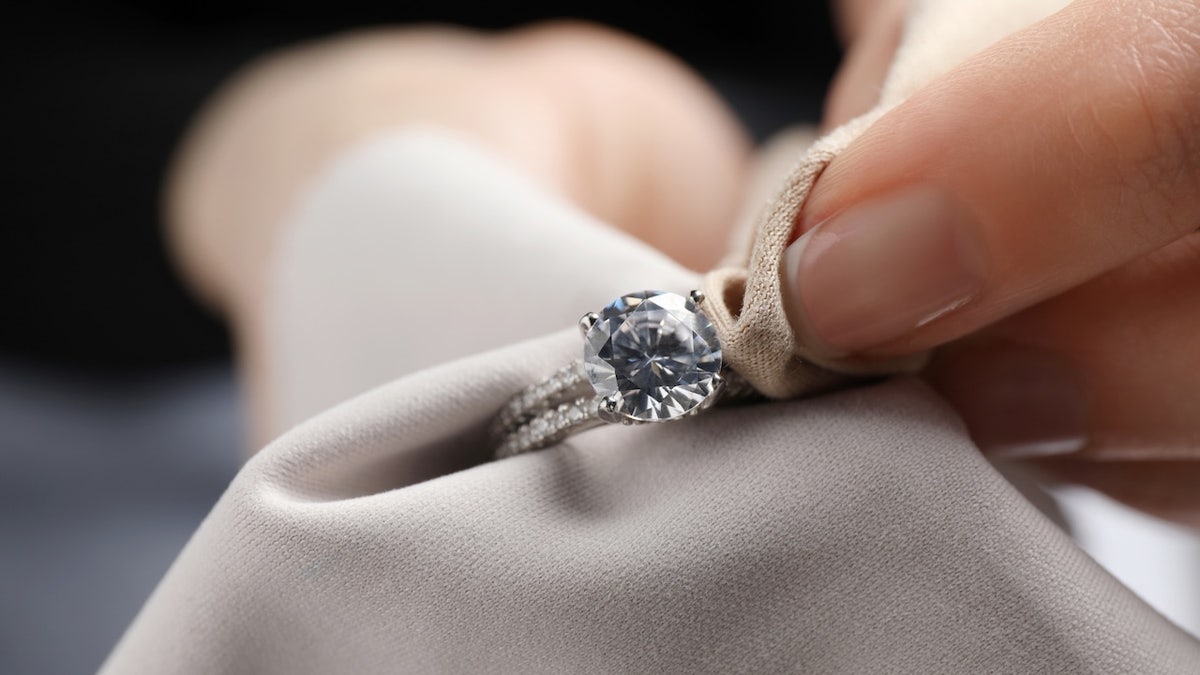
Hidden Halo Engagement Ring Design Ideas and Tips

A lab grown diamond isn’t pulled from deep underground – it forms in controlled spaces above ground. Identical to mined stones, atom by atom, crystal by crystal. Shoppers often choose them when value, transparency, and conscience matter more than origin. Wondering whether you can tell one apart just by looking? Not possible. Feeling it with your fingers? Same result. A spark still catches your eye when light hits it. Created deep underground, one forms by nature’s pressure – this one shaped in a lab instead. Same shine, same strength over time. Just a different beginning story.
Table of Contents
Lab Made Diamonds Why They Are Chosen
One reason people pick lab diamonds? They skip the headaches of traditional ring hunting. Problems fade when the stone comes from science instead of soil. Shopping gets simpler once the old rules stop applying. A different path opens where cost, ethics, and clarity line up differently. Decisions feel lighter without heavy traditions pressing down.
- A bigger stone fits your price range when costs stay low. Quality jumps up without spending more.
- Fair trade practices mean fewer community harms plus less damage to nature from digging up minerals.
- Fine work every time. Man-made gems skip most of the imperfections found in mined stones.
- Fine details bend to your idea, opening doors to unique forms. Shapes shift without hassle when you steer the build.
A hidden halo setting might be your preference. Lab grown diamonds offer a flawless main gem, matching nature’s quality while keeping cost low. Choice doesn’t mean sacrifice when it comes to clarity or sparkle.
Lab Made Diamonds How They Are Created
Folks grow diamonds in labs using different ways. One way uses high pressure, that method squeezes carbon like Earth does deep underground. Another path relies on gas, where tiny particles build up slowly inside a chamber
High Pressure High Temperature
A deep underground scene unfolds when carbon hidden halo engagement ring by wild temperatures and crushing force. Only after sitting in that intense squeeze does a diamond slowly come together.
Chemical Vapor Deposition
A tiny diamond starter goes into a room filled with carbon-heavy gas. From there, the gas slowly sticks to the starter, building up layer after layer. Over days, a full crystal takes shape. These lab-made versions look just like earth-mined ones, down to the smallest detail.
Buying Lab Grown Diamonds Simple Advice
Picking a lab grown diamond? Think about cut quality first – this shapes how light plays within. Size matters, but bigger isn’t always better if sparkle suffers. Color grade shifts the tone; near-colorless stones often look just as bright. Clarity tells you about tiny marks inside – most won’t be seen by eye alone. Certification from an independent lab helps confirm what you’re really getting. Price should match your priorities, not someone else’s list. A balanced choice lasts longer than trend-driven picks
- Start by looking at cut, then move to clarity. Carat weight plays a role just as much as color does. One doesn’t mean more than another – each shapes value differently.
- A solid certificate often comes from trusted labs. Get one that’s backed by known organizations.
- Bargains pop up when you shop around. Though lab grown stones cost less, what you get depends on who sells them.
- When you can, see it yourself up close. Shine matters, so does how evenly it’s shaped – check that nothing marks its surface. From another angle, flaws might show; good balance means better look.
A single-carat lab-grown round brilliant might sell for 30 percent below a natural stone matching its grade – price shaped by origin, not appearance.
Common Misconceptions
Truth sits clear when you look close. Lab grown stones aren’t pretend, just built differently. Real shine, real structure, same as earth pulled gems. Many assume they won’t last, but that idea crumbles under pressure. Hardness matches exactly, whether from machine or mine. A knock or scrape treats both the same way.
Lab Grown Diamonds and Bespoke Jewelry
Diamonds grown in labs work well for one-of-a-kind pieces. For a secret halo wedding band, a man-made main stone fits neatly among tiny side gems, giving a soft glow. Oval or teardrop forms come into play here – no stress over scarcity or steep prices. Crafters lean on the accuracy of these stones to shape detailed mounts that catch every bit of light.
Environmental and Ethical Advantages
Starting with a cleaner process, lab made diamonds draw appeal from their lighter touch on nature. Digging up natural stones takes serious amounts of power and water, often harming wild habitats along the way. Without digging at all, these created gems skip the destruction tied to certain mines. Picking them means fewer scars on the earth, plus a stand against unfair labor patterns. Your choice shifts weight toward responsibility without loud claims.
Price Comparison
A typical lab grown diamond runs between twenty and forty percent cheaper than a natural one that matches in size and grade. Take a 1 carat round stone, VS2 clarity, G color – it might be priced at five thousand dollars if mined, versus three thousand two hundred when created in a lab. Because of this gap, spending stays lower or lets you step up in size or quality without stretching the wallet.
Maintaining Your Lab Made Diamond
Just like natural ones, lab grown stones need identical attention. A diamond is a diamond when it comes to upkeep – no difference shows. Even if birthed in a facility, its shine demands equal effort. Treated right, both sparkle just the same way. How it forms changes nothing about daily handling.
- Every now and then, wipe it down using gentle soap alongside a soft-bristled brush. A quick rinse follows after that.
- Far apart is better when keeping it safe from marks by other pieces nearby.
- A yearly look keeps things on track. Inspection once per year ensures settings stay correct.
Years go by, yet your diamond stays bright when you stick to these steps.
FAQs
Are lab made diamonds real?
Fresh from the lab, these stones match earth-grown ones right down to their atomic structure. A crystal built by machines holds the very same traits as one pulled from soil. Inside each facet, science copies nature exactly. Not a single difference shows up under testing. What forms in weeks underground can now form in weeks above ground too.
Do lab made diamonds hold value?
Value stays, even if resold for a bit less than mined stones because people see them differently.
Can you use lab made diamonds in any ring setting?
True enough, these fit everywhere – even inside concealed halo styles or one-of-a-kind creations. They show up just fine regardless of how unique the setup might be.